EPISODE 1.2 “DESIGN-OR-BUST: BIG LOVE SHOW NOTES
Featuring
Chris DeFillip(Director/Lighting Design)
Kimmarie McCrann (Dramaturg)
Sage Bartlett (Scenic Design)
Anna Halloran (Costume Design)
Cory MacGowan (Sound Designer)
DIRECTORS NOTE
As a Director, I love to see where everyone takes things with just a general sort of goal, and with the level of chaos in this show, I want to see what kinds of ideas everyone brings with them. And as a designer, I love when I can add my own ideas to the play's world in a way that plays off what the director hopes for.
So with that, I wanted to prime you all with a general thought I had while reading this play for the first time since 2017 last week as a sort of guiding principle you can start thinking of going into tomorrow so we're on similar pages, but with the hope that you'll take this little nugget of a thought and bring your own spins and run with it in ways that I never could have conceived.
My thought: This play is called Big Love, and I feel it explores how love is full of big feelings and that these feelings (and love itself) are messy and complicated and dangerous and not always pretty. And it's a modern adaptation of Aeschylus's The Suppliant Women. Charles Mee gives some suggestions in the script that sort of lead us toward this modern/modernist/sometimes expressionist feel that is present and current while also having echoes of the past and elegance. Feel free to run with any of these or discard some elements of them (as long as you're meeting his intentions where he is). The script has some specifics or general guidelines for costume, set, sound, lights, etc. as a jumping-off point! They're good, and come from the playwright himself!
In tandem with those suggestions, the thing I think I'd be interested in us all exploring in this discussion tomorrow is ways that we can show the mess and scars and ways that love shapes the characters, world, etc. throughout the play. What's soft, what's prickly, what's harsh, what's calming, what can highlight those contrasts?
Examples from my read of the play that come to mind as ways you might run with this: things that start white, but maybe can take on the colors of the (food/drink) props thrown at them. Things that are breakable/tear/rip and show us something different (dirt? color? texture?) beneath. Things that might "reveal" or complement the mess (maybe something from later in the play gets revealed in a unique way?). The messiness of this play stays once it exists, and I'd love to have us explore (in that impossible way) things like set and costumes and lights that might visually or physically play with and against the characters as they take this journey. Maybe the sound has moments of clarity or of distortion. How can we subvert our expectations about love in ways that help the gnarliness of this play shine? It almost feels like we should live in the quiet aftermath of destruction at the end of the play, however that manifests (and of course, safely for the theoretical actors). I have no plan for the style of venue we would be doing this theoretical play in, so suggestions even to that level would be welcome.
Dramaturgy NOTES
Big Love by Charles Mee Dramaturgy compiled by Kim McCrann
Aeschylus: The Suppliants
- Historical Context
- Written by Aeschylus around 470 BC
- Written a few years before the Oresteia
- Often called the “father of tragedy”
- Major theatrical innovation: introduced a second actor (earlier Greek drama used only one actor and a chorus)
- Plot & Core Conflict of The Suppliant Women
- The suppliant women flee forced marriage in Egypt.
- They seek protection in Argos.
- Pelasgus, king of Argos, must decide:
- Protect them → risk war with Egypt
- Reject them → offend Zeus, protector of suppliants
- The gods play a major role, especially Zeus.
- Much of the play functions as a prayer.
- Key Term
- Suppliant: a person making a humble plea to someone in power or authority.
- Modern Adaptation: Big Love
- Written by Charles Mee
- Inspired by The Suppliant Women by Aeschylus
- Premiered in 2000, Directed by Les Waters at Actors Theatre of Louisville
- Mee (2003 Interview – Open Stages Newsletter) “I wanted to go back to what some people thought was one of the earliest plays of the Western World… and see how that would look today… It’s all about refugees and gender wars…”
- Themes Mee highlights:
- Refugees
Gender conflictDysfunctional relationshipsRage and heartbreak
- Mee on originality:
- “There is no such thing as an original play… we re-make things as we go.”
- Mee’s aesthetic:
- “My plays are broken, jagged… smash up, veer off in sickening turns… It feels like my life. It feels like the world.”
- Thematic Parallels: Ancient vs. Modern
- The Suppliants
- Big Love
- Women arrive by sea
- Women arrive by boat
- Threatening men from Egypt
- Men arrive by airplane
- Gods central to action
- Human psychology central
- Public political decision
- Personal, romantic, gender war
- Character & Name Significance
- Greek Names & Meanings
- Lydia – “Noble”
- Thyona – “To inspire frenzy”
- Olympia – “From the home of the gods”
- Nikos – “Victory of the people” (only surviving man)
- Constantine – “Unchanging, steadfast”
- Mythological References
- Olympia / Zeus
- Thyona (associated with Greek myth)
- Symbolism & Motifs
- Color
- Rose & White → innocence vs. “impurity”
- Red (Tomatoes – Bella) → passion, blood, violence, sexuality
- Number Symbolism
- 13 sons → contrast; possible symbolism of masculinity or imbalance
- Quote
- “The male is a biological accident.”
- → Reinforces gender conflict theme.
- “The male is a biological accident.”
- Cultural & Aesthetic Elements in Big Love
- Fashion
- Emanuel Ungaro
- Founded fashion house in 1965
- Known as a “space age designer”
- Bold colors and shapes
- Possible influence on costume design
- (Some of) the Music Used
- The Marriage of Figaro (by Mozart)
- Canon in D
- Trumpet Voluntary
- Sleepers Awake from Cantata No. 140
- These selections suggest:
- Wedding traditions
- Ceremony
- Irony (romantic music contrasted with violent gender struggle)
- Cultural Context of Characters
- Except for Bella, the characters are English-speaking international travelers.
- Suggests globalization
- Displacement mirrors refugee themes in the original Greek play.
- Cultural Context of Characters
- Ancient Play
- Political decision
- Divine authority
- Protection of refugees
- Collective female voice (chorus-heavy)
- Modern Adaptation (Big Love)
- Gender warfare
- Collapse of romantic ideals
- Fragmented structure
- Personal autonomy over divine order
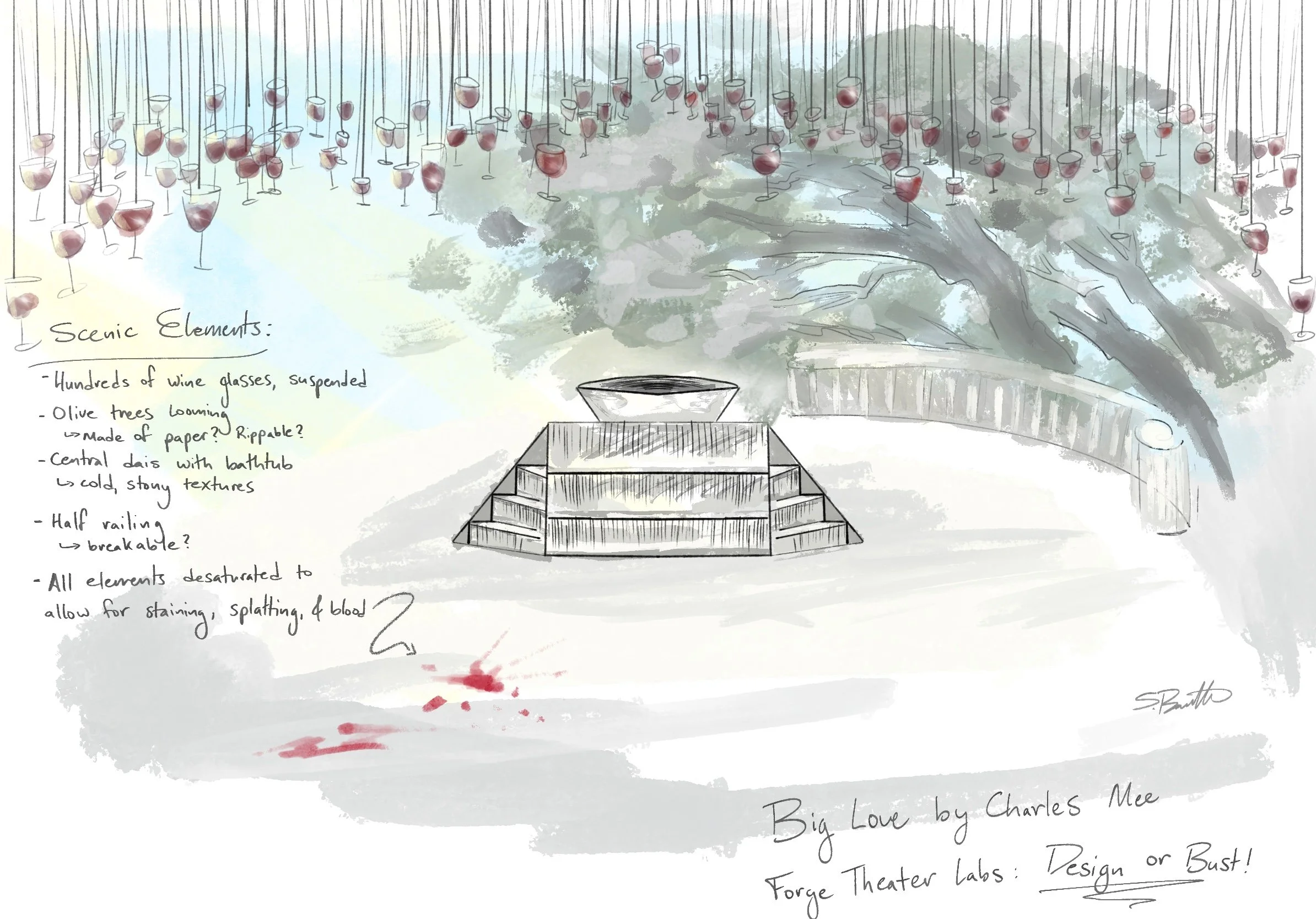
Final Scenic Design
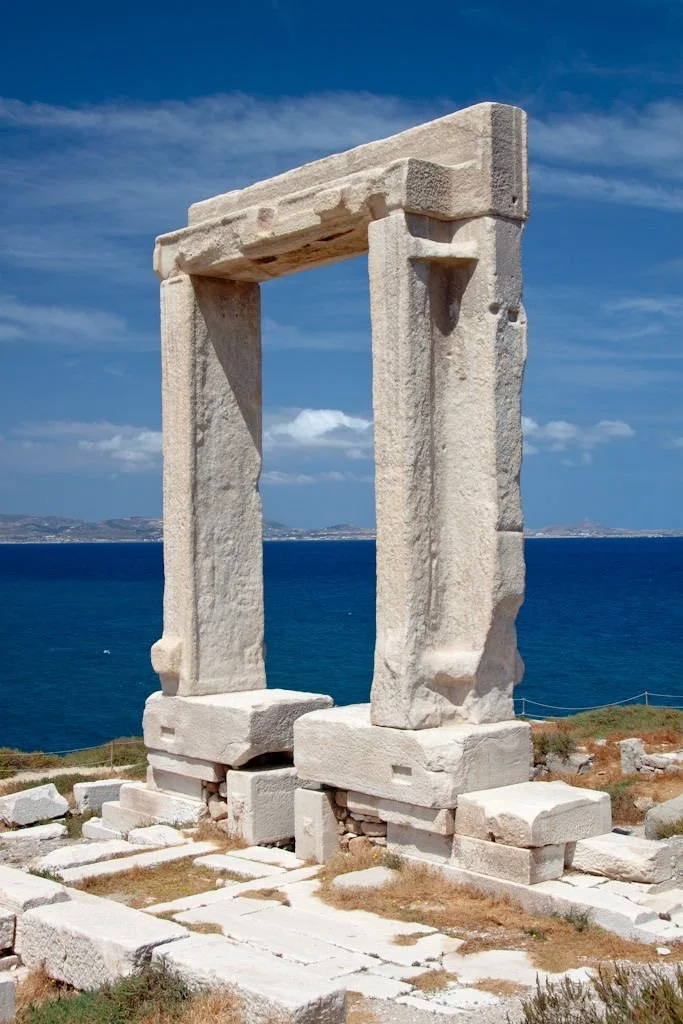
Scenic Inspiration

Scenic Inspiration
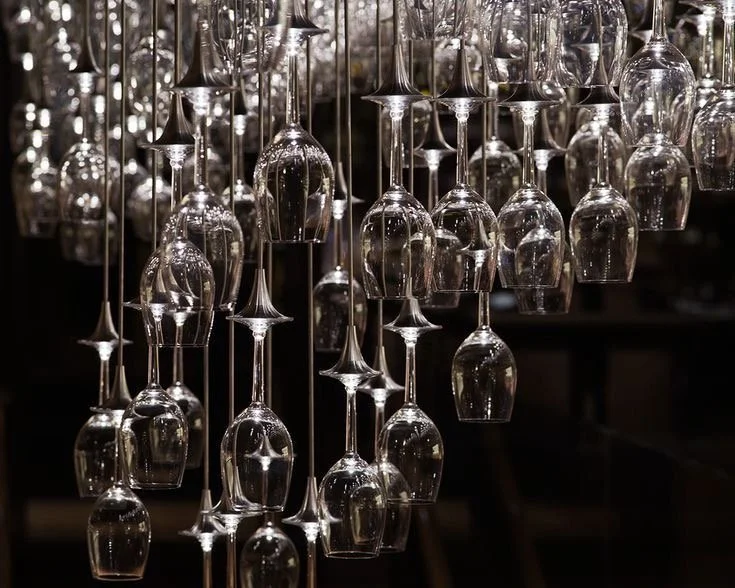
Scenic Inspiration
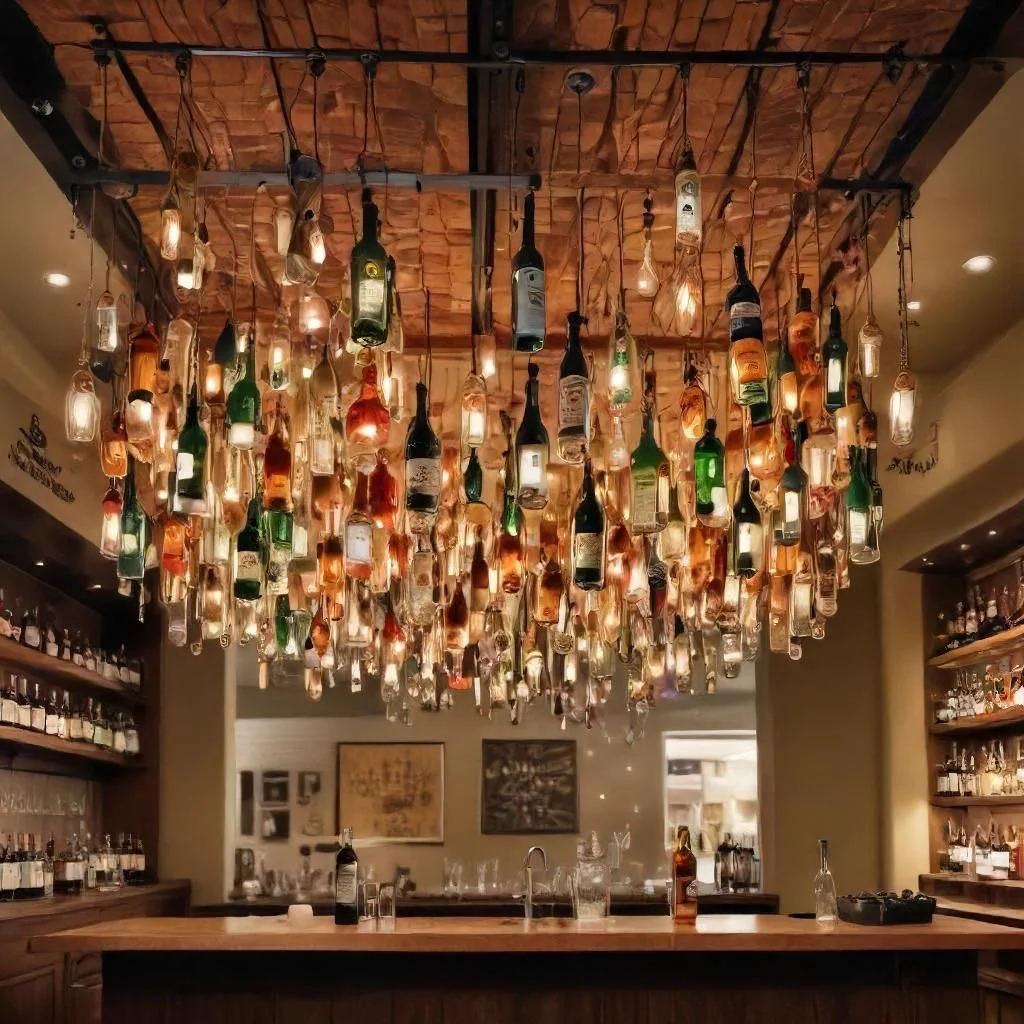
Scenic Inspiration
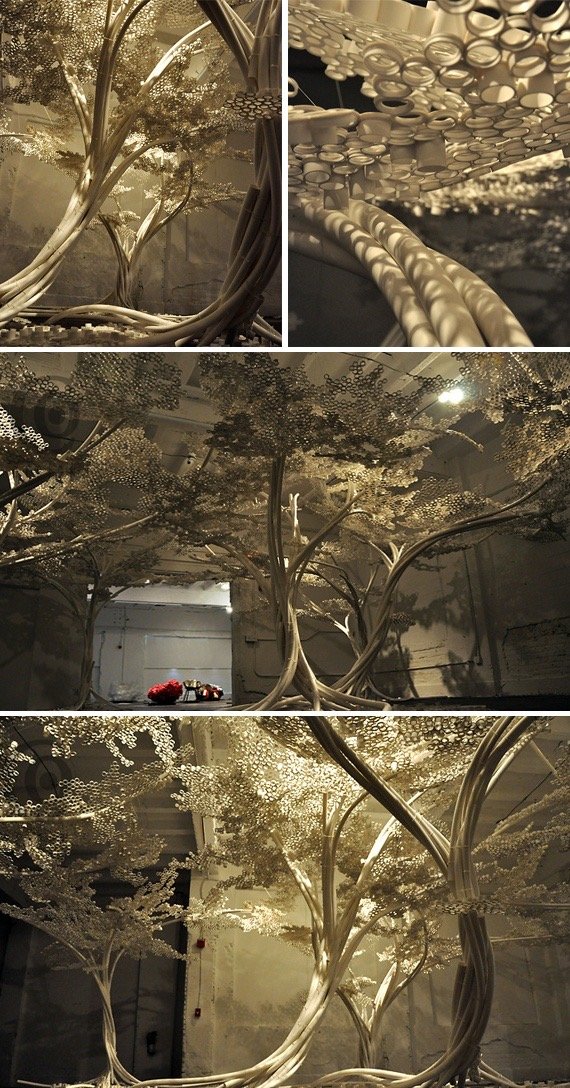
Scenic Inspiration
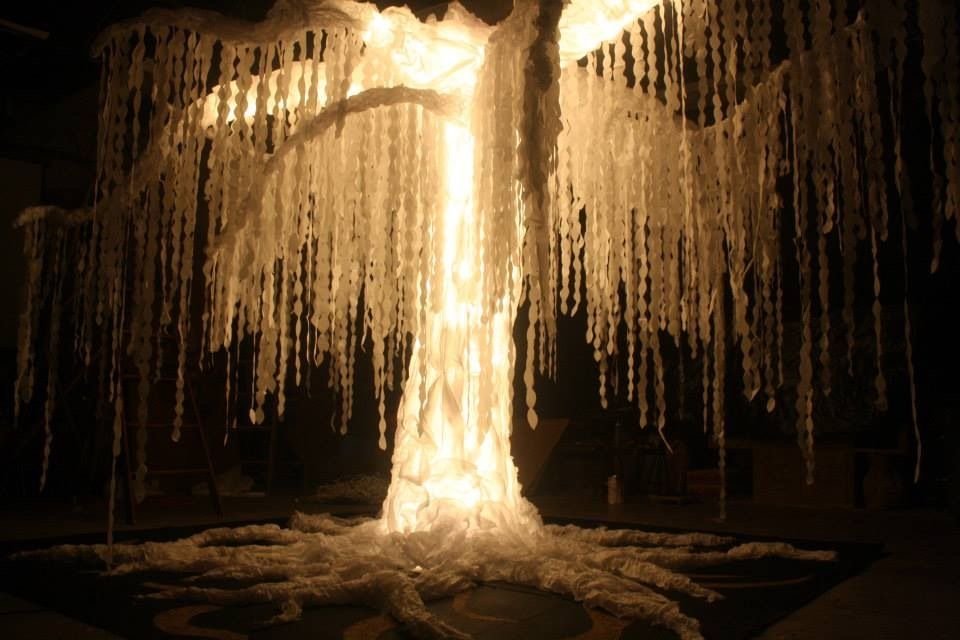
Scenic Inspiration
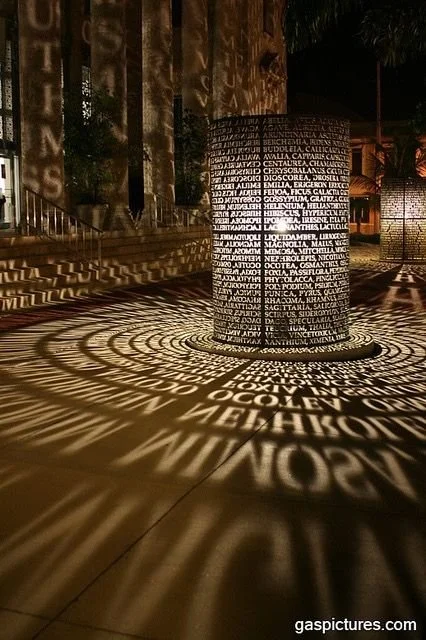
Lighting Inspiration
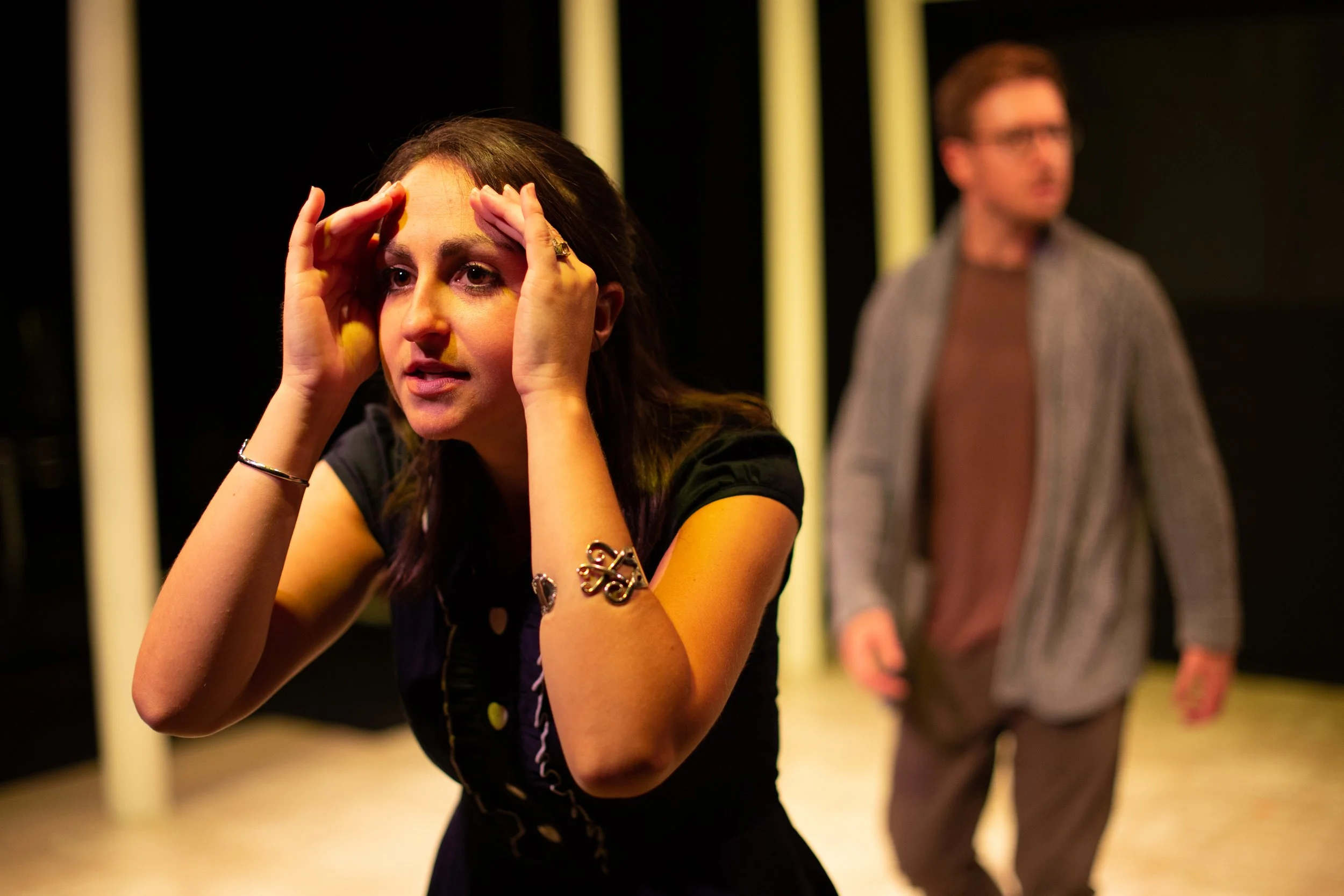
Lighting Inspiration
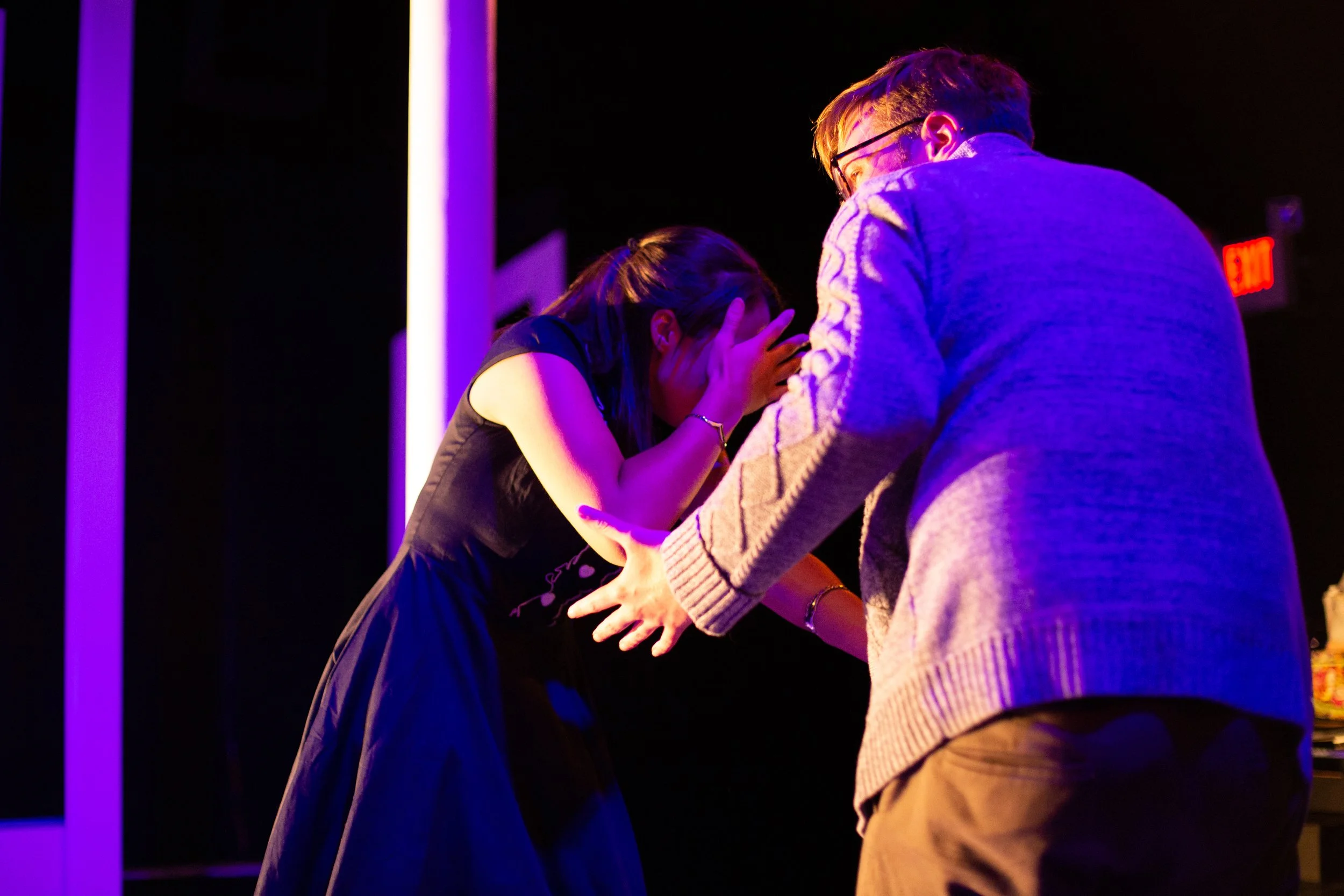
Lighting Inspiration
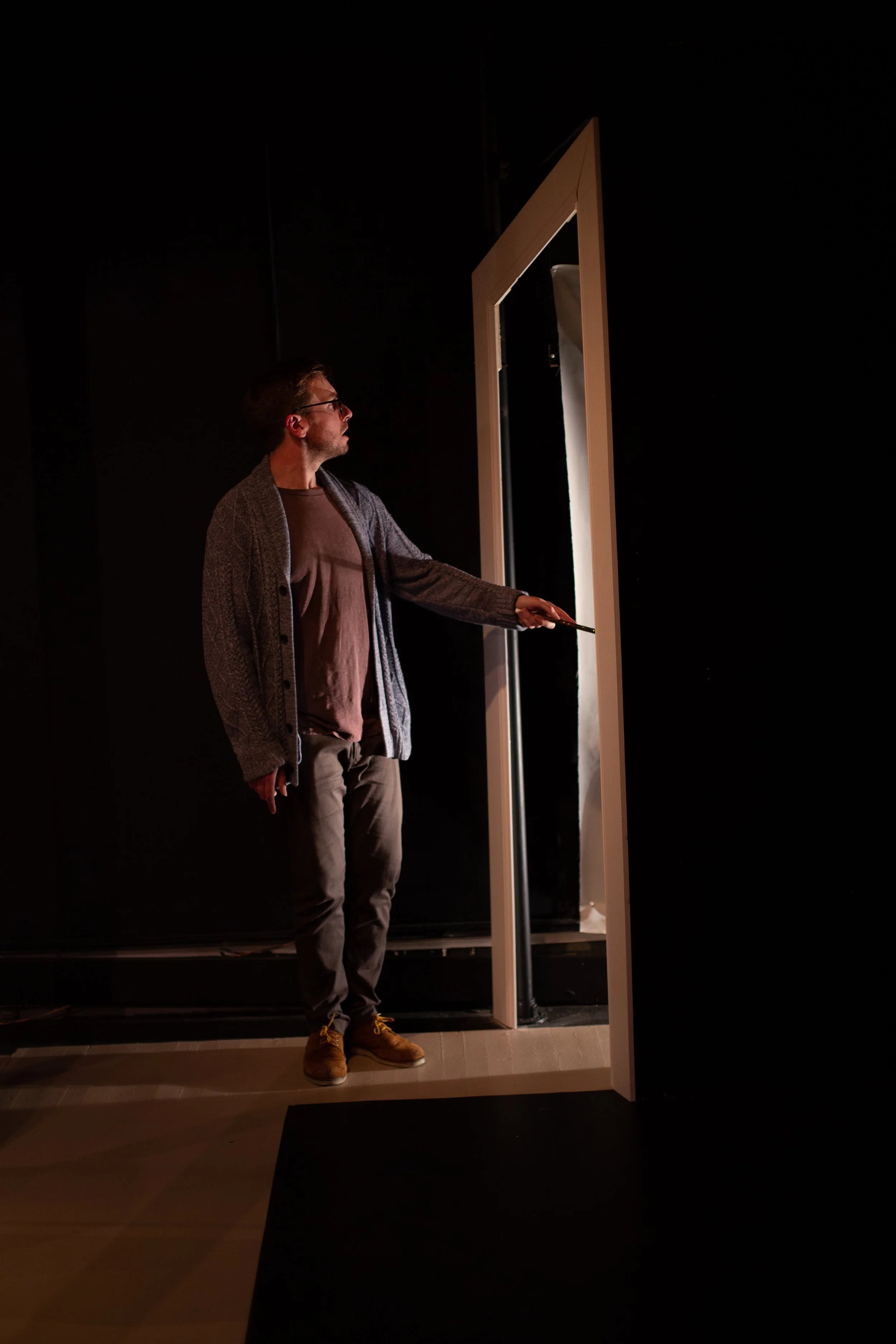
Lighting Inspiration
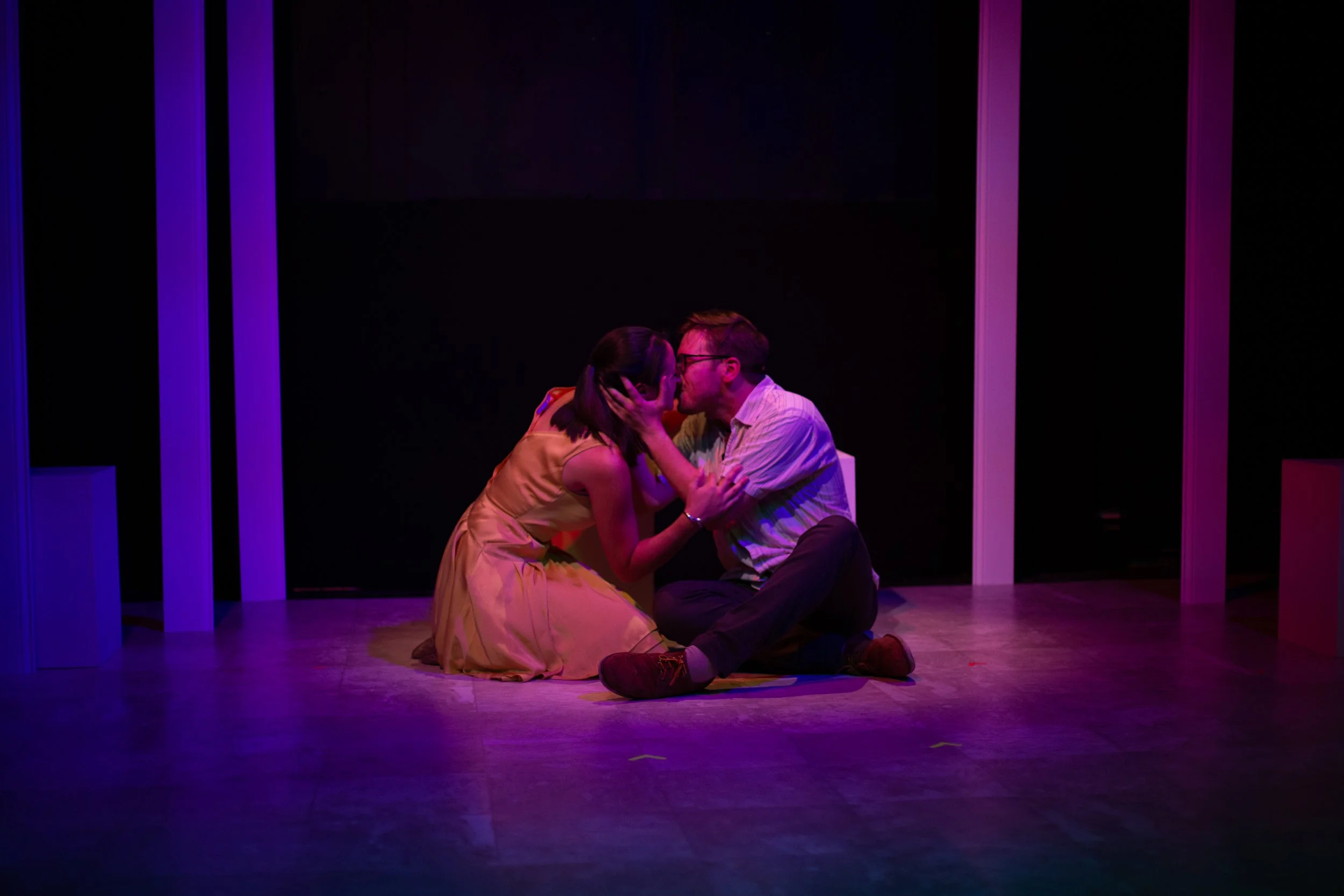
Lighting Inspiration
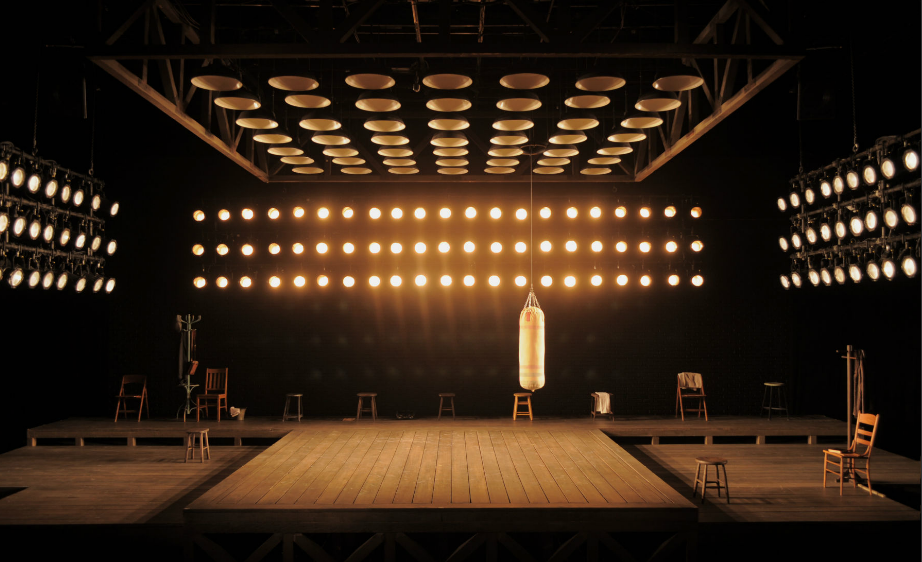
Lighting Inspiration
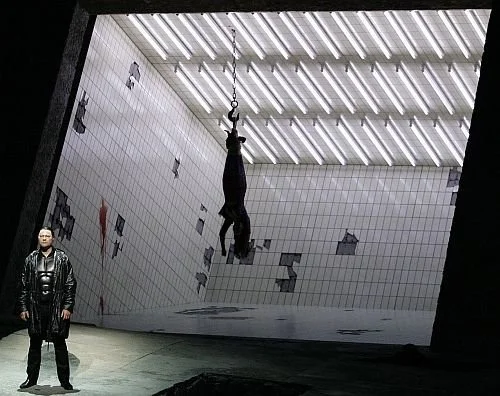
Lighting Inspiration
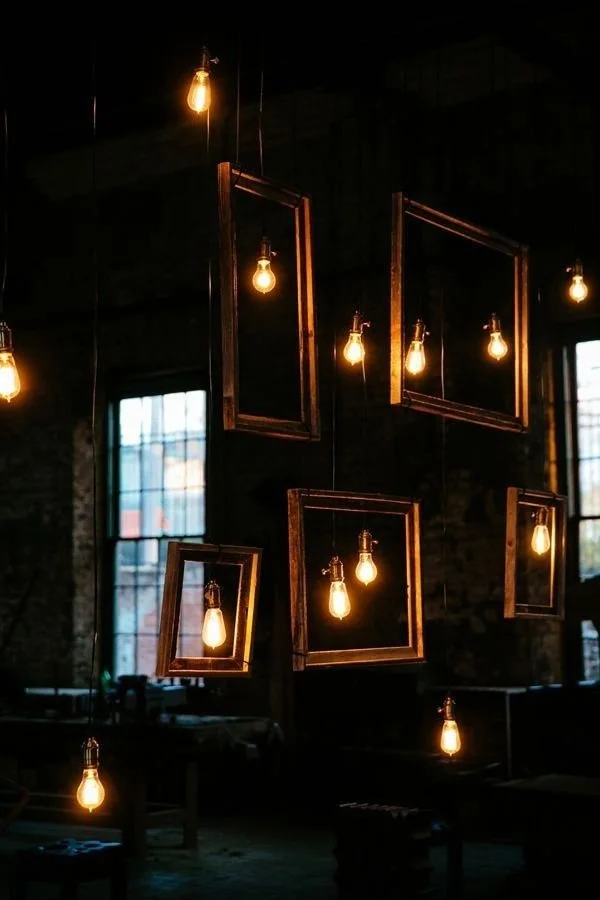
Lighting Inspiration
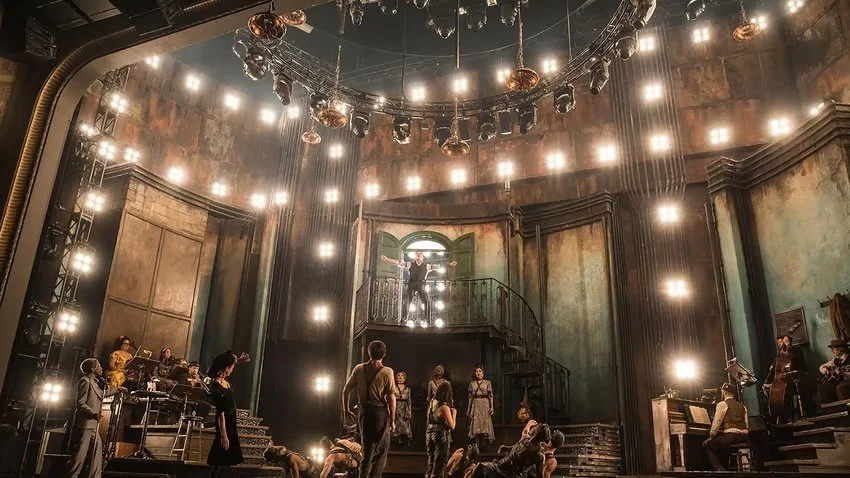
Lighting Inspiration